
Whispered Elegance: Quiet Luxury Home Upgrades

Material Alchemy: Understated Surfaces That Speak Softly
01
Stone That Calms
Choose stones with subtle movement and a honed or leathered finish to soften glare and temper acoustics. Test a sample under morning and evening light, splash lemon juice to understand etching, and budget for breathable sealers. Paired with wool rugs, limestone can transform echo into intimacy without shouting for attention.
02
Wood With a Low Voice
Quartersawn oak or walnut finished in matte oil brings quiet rhythm through tight grain, warm tone, and gentle reflectance. Specify thicker wear layers, low-VOC products, and felt pads beneath furniture. In one hallway, swapping glossy boards for oiled oak reduced footfall sharpness and made evening reading feel cocooned.
03
Plaster, Limewash, and Quiet Walls
Mineral plasters and limewash diffuse light like breathable fabric for your walls, softening shadows and calming transitions between spaces. Choose pigments folded gently into the mix, not painted on top. The microtexture photographs beautifully, hides minor wear, and regulates humidity, creating comfort you sense rather than consciously notice.
Lighting That Feels Like Sunlight
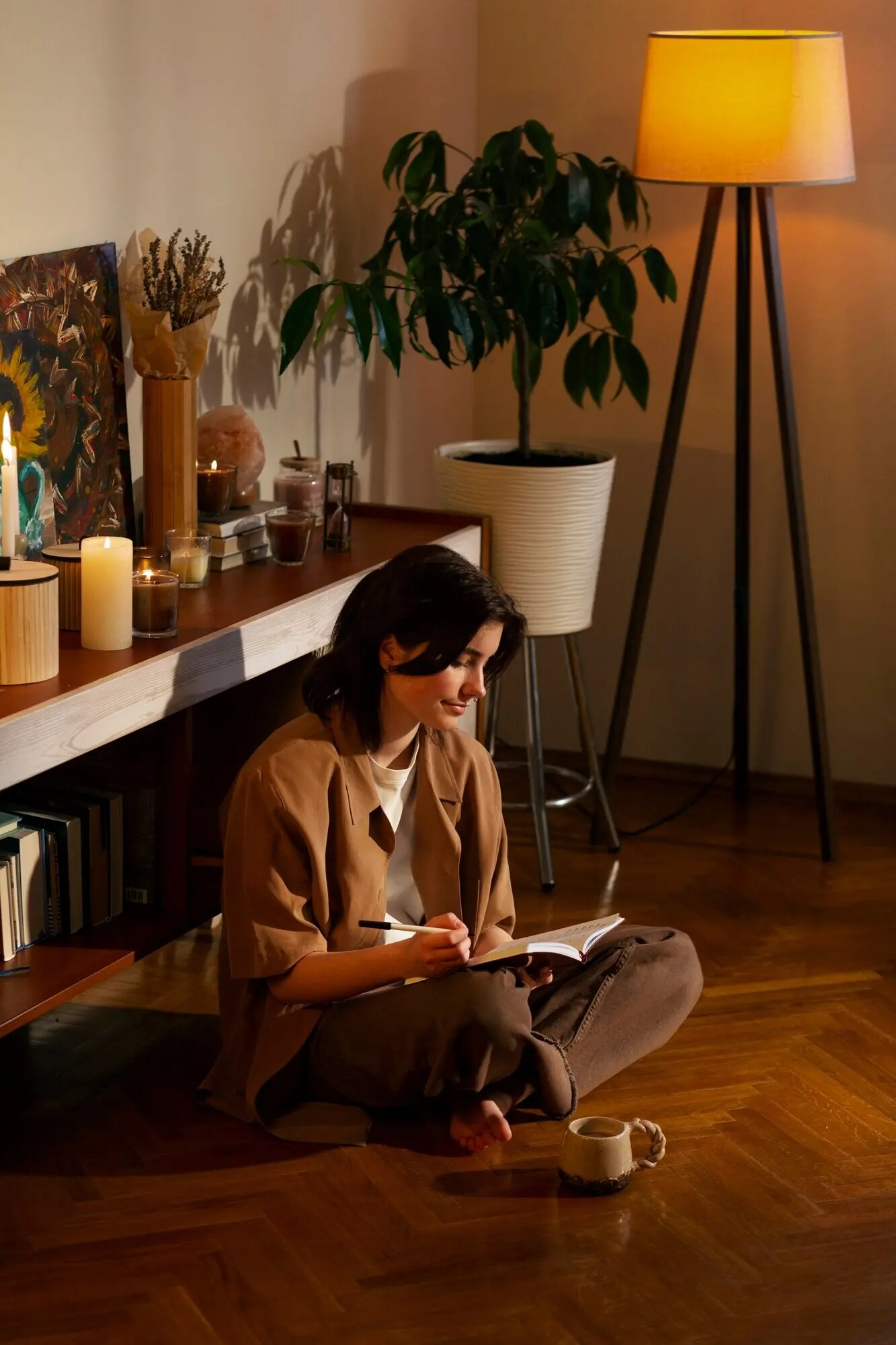
Acoustic Comfort Without Bulky Panels
Quiet Floors, Softer Steps
Layer natural fiber rugs over dense felt underlays, or specify cork-backed planks for resilient comfort. In a narrow townhouse, this combination lowered measured reverberation times and kept toddler play joyful, not jarring. Add soft-close glides on drawers to pacify movement and preserve a calm auditory backdrop.
Walls That Listen
Consider acoustic plaster with a smooth, mineral finish that disappears visually while absorbing reflections. Behind a favorite sofa, we hid a thin fabric-wrapped panel within millwork, turning a hollering television zone into a relaxed conversation nook. Materials handle the science so your evenings feel naturally balanced.
Doors and Hardware That Hush
Upgrade to solid-core doors, magnetic latches, perimeter seals, and soft-close hinges. Tight tolerances stop whispering drafts and clacks that travel house-wide. In an open-plan loft, this simple shift restored privacy, softened phone calls, and allowed piano practice without imposing on a simmering sauce or bedtime routine.
Hidden Technology, Human-Centered Control
Comfort Systems You Barely Notice
Radiant Warmth Underfoot
Hydronic radiant floors spread heat evenly, allowing lower air temperatures for the same comfort. Choose rugs with low thermal resistance where warmth matters most. Pair with insulated shades to hold evening heat, reducing mechanical noise and saving energy while your feet instinctively slow on their way to tea.
Air That Feels Like Fresh Morning
An energy recovery ventilator exchanges stale air for fresh with minimal heat loss, while MERV 13 filtration traps fine particulates. Keep humidity between forty and fifty percent for comfort and instrument health. The result is clarity you sense in breathing, sleep, and unhurried Sunday cooking.

A Story on the Console
Try a three-object arrangement: one sculptural object, one vessel with seasonal branches, and one book with a deeply felt dedication. Rotate seasonally rather than accumulate. Guests lean in, ask questions, and conversations start where meaning lives, not where packaging shouts for fleeting attention.
Textiles With Integrity
Choose linens, wools, and cottons woven with discernible texture, favoring undyed or plant-dyed palettes. Fullness in drapery quiets a room and telegraphs care. Launder gently, mend small snags, and enjoy patina as proof of connection rather than something to hide behind glossy perfection.
Color That Murmurs
Build palettes from softened neutrals, complex greens, and muddy blues, then vary texture rather than chasing contrast. Paint ceilings a whisper deeper to lower perceived height and increase coziness. The absence of shouting color makes morning routines unhurried and nighttime rituals land with restorative calm.