Radiant Calm at Home: Layered Lighting That Feels Effortless
Understanding the Four Layers
Living Room Serenity, Zone by Zone
Bedroom Tranquility, Morning to Night
Warm-Dim Evening Comfort
Use warm-dim LEDs that slide from 3000K to 1800K as brightness drops, echoing candlelight physiology. Combine shaded bedside lights with hidden cove glow so faces remain flattering while surfaces maintain orientation cues. The room relaxes gradually, encouraging slower breathing, softer conversation, and easier transitions into sleep.
Clear Mornings Without Harshness
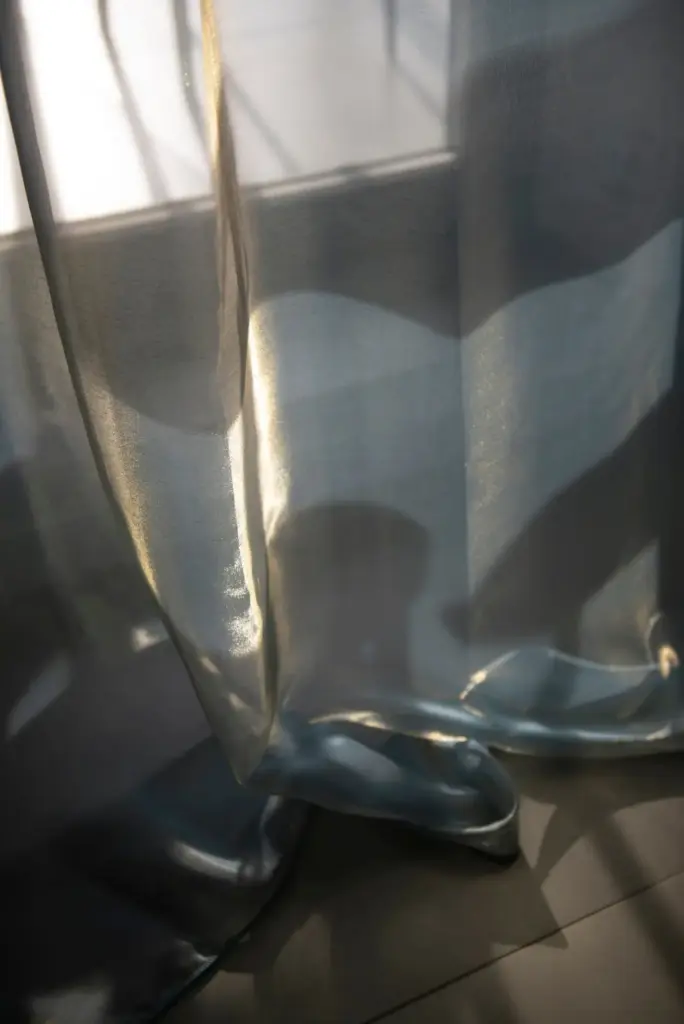
Invite daylight first through reflective blinds and pale finishes, then supplement with high-CRI, 3500–4000K LEDs on separate circuits. Aim light across walls rather than downward. This opens the eyes gently, improves color rendering for dressing, and jump-starts alertness without breaking the bedroom’s calm, restorative character.
Kitchen Poise with Purpose
Art, Architecture, and Gentle Drama
Wall Washing vs. Grazing
Art Friendly, Color True
Controls, Energy, and Long-Term Ease
Scenes That Remember You
Program morning, work, dining, and wind‑down scenes that set multiple layers with one tap or voice command. Keep transitions slow to protect calm. Personal presets give everyone agency, reduce fiddling with switches, and create repeatable comfort that anchors daily rhythms and makes homecomings feel reliably welcoming.
Efficiency Without Compromise
Pick ENERGY STAR where applicable, but judge quality by flicker performance, dimming range, CRI, and warranty. Right-size lumens to needs instead of over-lighting. Thoughtful selection lowers heat, reduces driver failures, and keeps bills down while preserving the refined, restful character you set with carefully balanced layers.
Care, Cleaning, and Future-Proofing
Choose fixtures with replaceable components, accessible drivers, and finishes that clean easily with gentle agents. Document circuits and scene settings. Periodic dusting protects output and color. Planning conduit and spare capacity today makes tomorrow’s upgrades simpler, ensuring your peaceful lighting environment ages gracefully alongside your evolving routines.